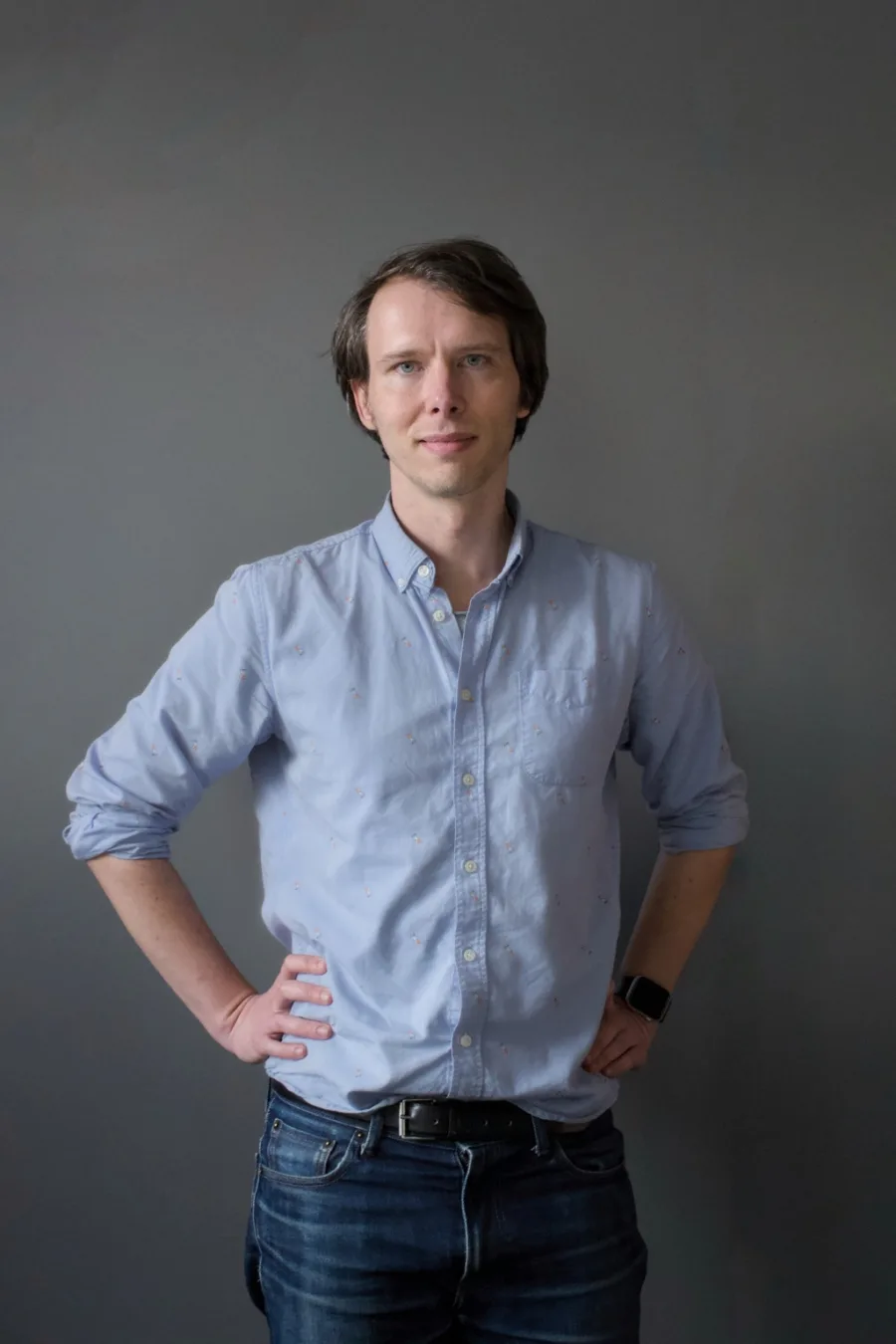
Bas Oppenheim

Bas Oppenheim

MSc Health Psychology & Digital Interventions (EUR) · BA Psychology · BA Philosophy (UvA)

I develop humane, responsible software.

My focus is on (mental) health software that benefits people in how they think, feel, and function. With a background in both psychology and philosophy, I pay particular attention to:

Selected work

I work at the intersection of mental health, ethics, and technology. In much of this practice, ethical, scientific, and technical factors are treated as constraints after a concept has already been defined. In my work, they are part of the conceptual design itself: they inspire, shape, and constrain the concept from the beginning. This approach leads to software that is both responsible and innovative.

I am responsible for the overall conceptual, content-related, and technical direction of the following projects:

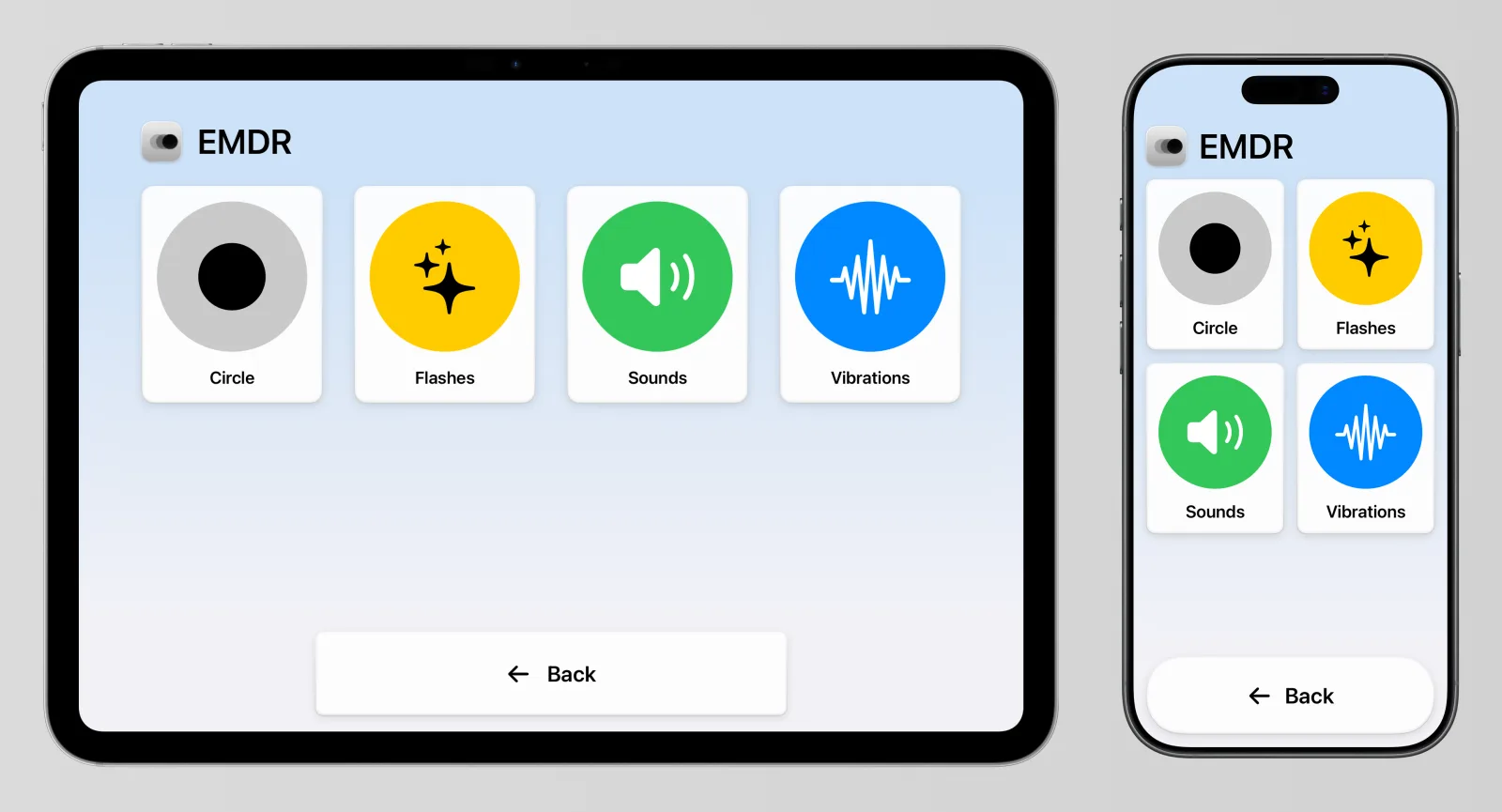
The EMDR App

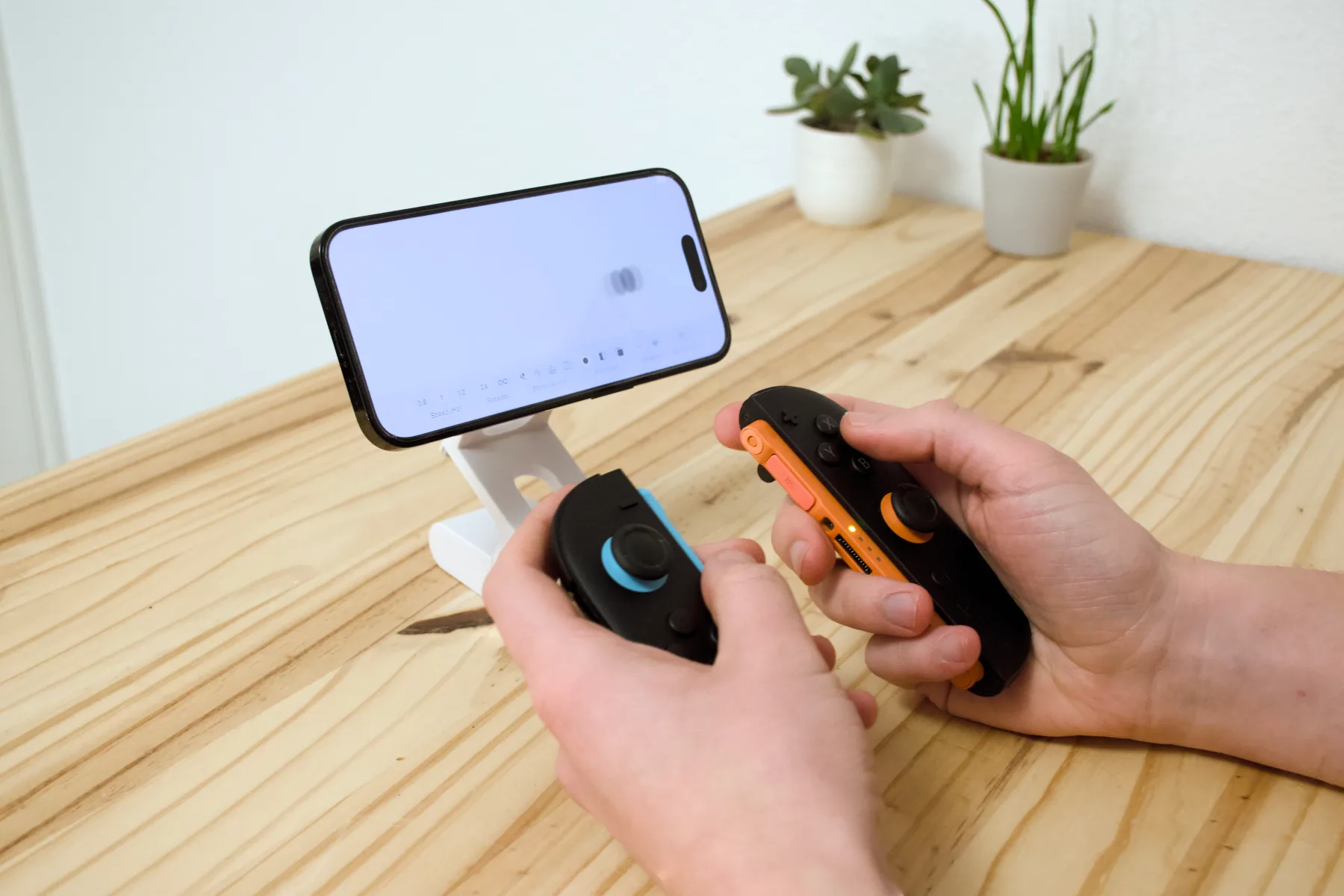
The EMDR app generates bilateral and other forms of stimulation commonly used in EMDR therapy, which is an evidence-based treatment for post-traumatic stress disorder (PTSD). The app is grounded in scientific research and developed in collaboration with licensed therapists, with its scope explicitly bounded by clinical and ethical considerations.

Beyond its clinical grounding, the EMDR app stands out through several technical and design choices:

It is now used during therapeutic sessions, both in-person and online, and can, on the recommendation of the therapist, also be used by clients between sessions.

My other projects apply similar principles in different contexts:

Thought Records

Thought Records is an app for reframing stressful situations using techniques from Cognitive Behavioral Therapy (CBT). Although effective, the method is difficult to apply independently and is therefore often limited to therapeutic settings.

The app systematically guides people through the process wherever they are. It is designed with privacy as a core principle and supports synchronization across devices.

Our Focus

Our Focus is a social variation on the Pomodoro technique, informed by motivation theory and especially the human need to belong.

Its social layer is intentionally restrained. Rather than maximizing interaction, it is designed to support a sense of shared presence without undermining the app’s primary purpose: helping people focus.

An initial version was completed in time for the launch of Apple Vision Pro, where solitary use is common and careful social design is particularly relevant.


You can find more about my apps at Apps for the Living, and read about the thinking behind them on our blog.

You can reach me by email or on LinkedIn.